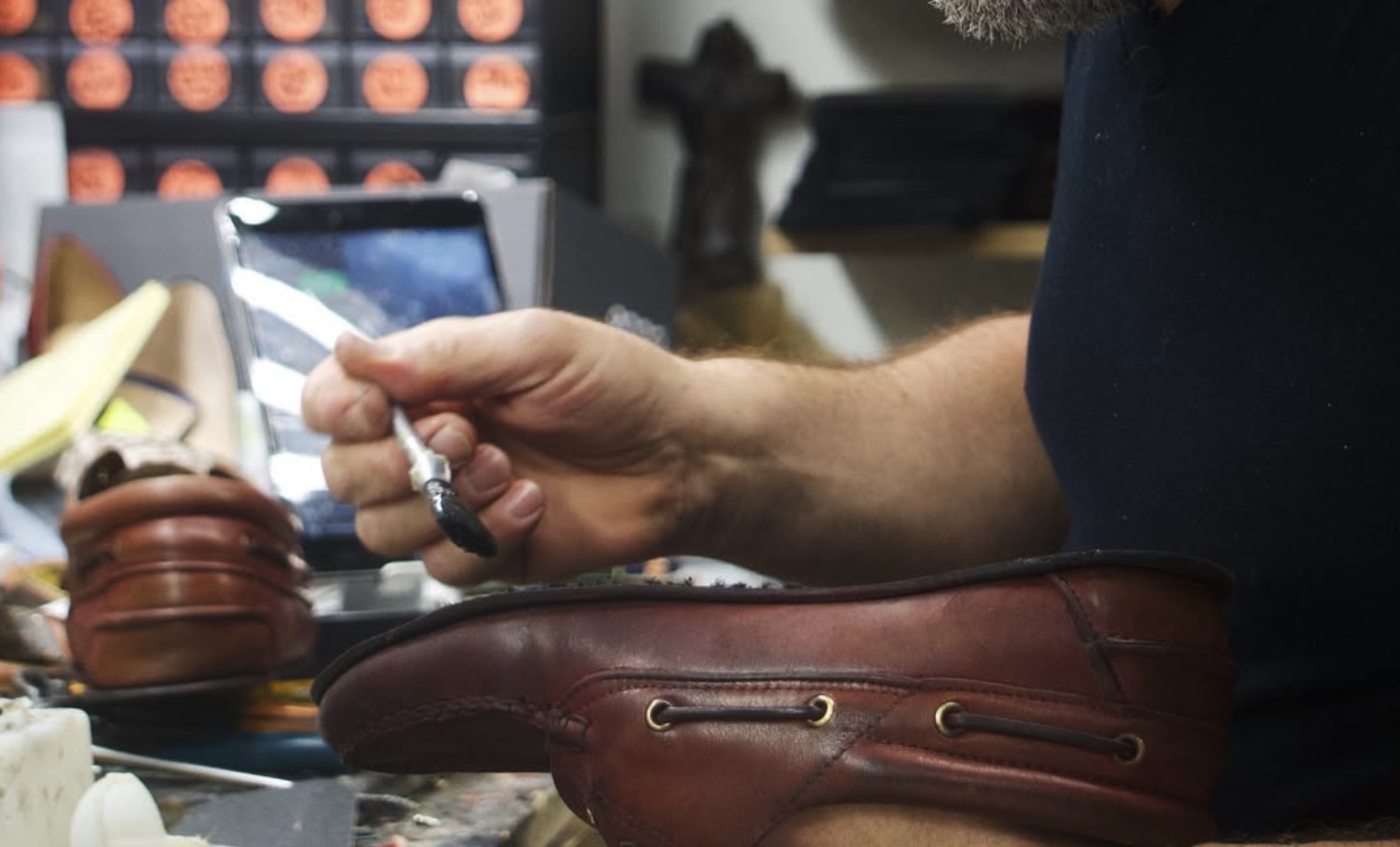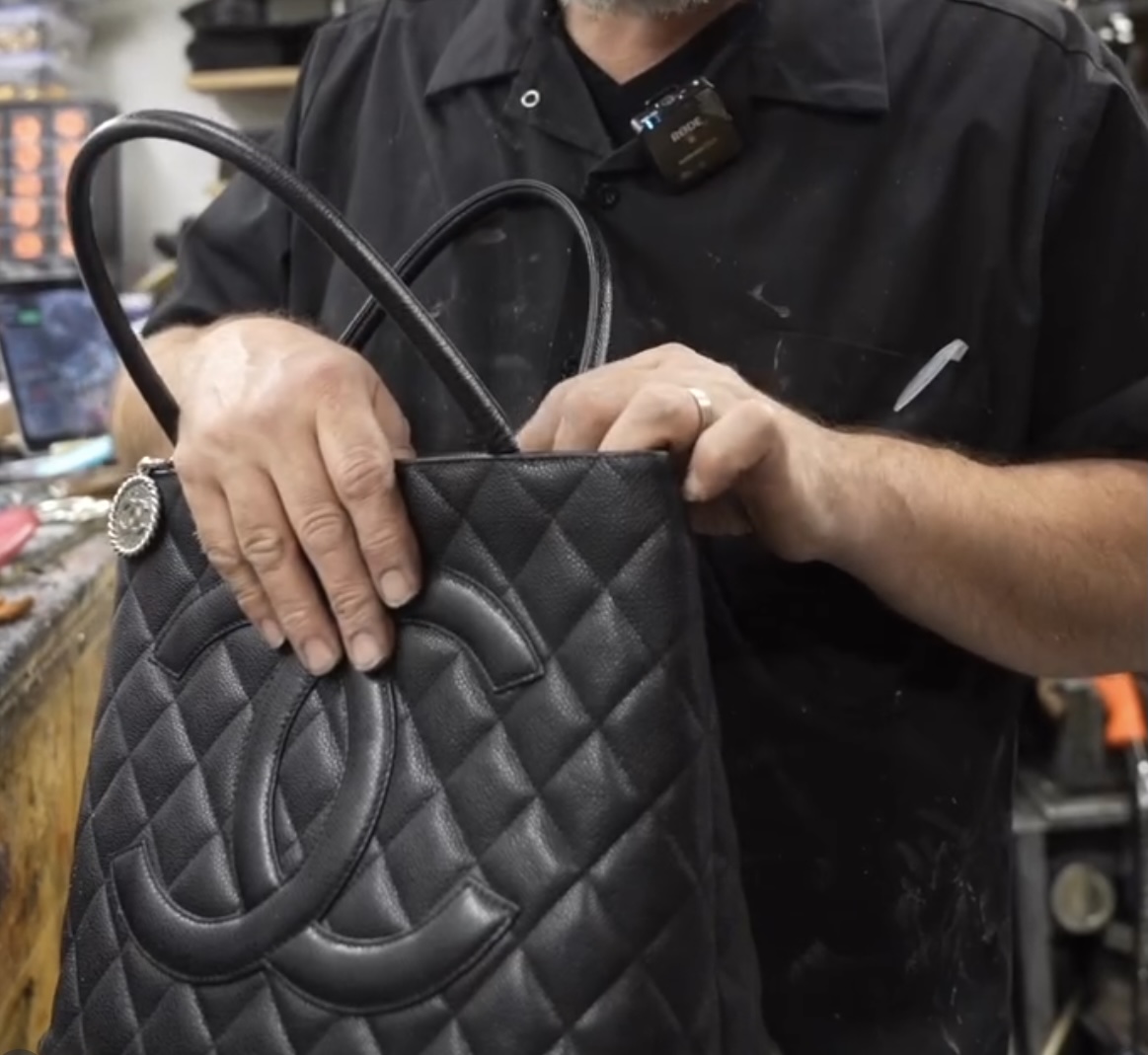

It is late January in Montreal, and the city is deep in the “grit season.” While every fashion-conscious Montrealer knows the importance of protecting their boots from the salt-laden sidewalks, there is a silent victim of the winter elements often overlooked: the luxury handbag.
Whether it is a Chanel Quilted Flap, a Prada Galleria, or a YSL LouLou, these items are more than just accessories; they are high-value financial investments. In the resale market of 2026, a well-maintained designer bag can hold or even increase its value. However, the unique environmental challenges of a Quebec winter—extreme temperature fluctuations, salt-saturated humidity, and abrasive road grit—can cause rapid degradation to delicate leathers and hardware.
At Cordonnerie Rockland, we treat handbag restoration as a specialized craft. Our “Handbag Spa” is a comprehensive, technical process designed to neutralize environmental damage and restore the structural and aesthetic integrity of your most prized possessions.
View this post on Instagram
”Always very friendly, fast and above all, high-end service.
Nadine PaquinCustomer
Our mission: offer quality and durable repairs
Whatever the repair is needed, our team will always make sure to make the best recommendation. We will take the time to inform and help you make a decision. Our goal? To offer a well-made result that will stand the test of time, because we know how precious your favourite shoes or boots are on a daily basis. Our services will extend the life of your favourite accessories!
The Winter Threats: Why Your Bag is at Risk
You might think that because your bag doesn’t touch the ground, it is safe from the winter. Unfortunately, Montreal’s environment is more pervasive than that.
1. Salt-Saturated Humidity
Road salt doesn’t stay on the ground. As cars drive through slush, they create a fine mist of salt-water that hangs in the air. This saline humidity is absorbed by the porous leathers of your handbag. As the bag dries indoors, the salt re-crystallizes within the leather fibers, leading to stiffness, “salt-burning,” and a loss of the leather’s natural suppleness.
2. The “Corner Crisis”
The four bottom corners of a handbag are its most vulnerable points. Even if you never set your bag on a wet floor, the friction of the bag against your winter coat—often damp with snow or salt—causes “micro-abrasion.” This wears away the protective top-coat and pigment of the leather, leaving the raw hide exposed to moisture and rot.
3. Thermal Shock
Moving from -20°C outdoor temperatures into a +22°C heated building (like the Rockland Centre or a downtown office) creates thermal stress. The leather expands and contracts rapidly, which can lead to microscopic cracking in the finish, especially on “patent” or highly structured leathers.
The Handbag Spa Protocol: A Technical Deep-Dive
At Cordonnerie Rockland, our restoration process is not a simple “wipe down.” It is a multi-day technical intervention.
Phase 1: Material Identification and pH Testing
Not all leathers are created equal. A Hermès Epsom leather requires a different chemical approach than a Chanel Lambskin. We begin by identifying the specific tannage and finish of your bag. We then test the pH levels of the leather to determine the extent of salt saturation.
Phase 2: Deep Neutralization and Cleaning
We use specialized, non-detergent cleansers that are designed to lift dirt, body oils (from handles), and salt without stripping the leather of its essential fats. For interiors, we perform a delicate sanitization process to remove the “ghosting” of perfumes, makeup spills, and everyday use, ensuring the bag is as clean on the inside as it is on the out.
Phase 3: Structural Corner Restoration
If the corners of your bag are scuffed or “fuzzy,” the leather fibers have become unraveled. We use professional bonding agents to “re-seat” these fibers before applying a flexible, leather-specific filler. This restores the smooth, crisp silhouette of the bag’s base.
Phase 4: Custom Re-Pigmentation
This is where the “art” of the cobbler meets the science of the chemist. We hand-mix pigments to create a 100% match to your bag’s original color. We don’t just “paint” the bag; we apply thin, translucent layers of pigment that allow the natural grain of the leather to show through, ensuring the bag doesn’t look “refinished,” but rather “perfectly maintained.”
Phase 5: Hardware Polishing and Protection
Gold and silver-plated hardware can become dull or “pitted” due to salt exposure. We meticulously polish the buckles, chains, and zippers, removing oxidation and applying a microscopic protective seal to prevent future tarnishing.
View this post on Instagram
Why Professionalism Trumps DIY
In the age of social media, many “life hacks” suggest using baby wipes, dish soap, or even olive oil to clean designer leather. As professionals, we urge you to avoid these at all costs. * Baby Wipes: Contain alcohols that can strip the finish and cause the color to “drift.”
- Dish Soap: Has a high pH that dries out leather, leading to permanent cracking.
- Oils: Most household oils will go rancid inside the leather, creating a permanent odor and dark, greasy spots that can never be removed.
Handbag restoration is a one-shot process. Once the leather is damaged by improper chemicals, it can rarely be fully restored.
The Investment Value: Maintenance as a Strategy
In 2026, the “Secondary Market” (resale) for luxury goods is more robust than ever. A Prada bag in “Excellent” condition can fetch 70-80% of its original retail price, whereas one with salt-burnt corners or faded handles might only fetch 30%.
By putting your bag through our Handbag Spa once a year—especially during the brutal Montreal winter—you aren’t just spending money on a service; you are protecting your asset’s equity.
View this post on Instagram
Frequently Asked Questions (FAQ) About Luxury Handbag Restoration
To help you better understand the possibilities and benefits of professional luxury handbag repair, here are answers to some common questions:
Can you remove blue jean "color transfer" from a light-colored bag?
Yes. “Denim rub” is a common issue, especially on beige or white leathers. We use specialized solvents to lift the indigo dye out of the leather pores without damaging the original pigment beneath.
How often should a bag go to the "Spa"?
For a “daily driver” bag used in Montreal, we recommend a professional cleaning and conditioning once every 12 months. If the bag has been exposed to a major salt splash or a spill, it should be brought in immediately.
Do you work on "Exotic" leathers like Python or Alligator?
Exotic skins require a very high level of expertise as they are highly sensitive to moisture. We do accept exotics, but they undergo a different, slower conditioning process using specialized protein-based balms.
Can you fix a "broken" handle or a torn strap?
Absolutely. Beyond aesthetic cleaning, we are a full-service cordonnerie. We can rebuild handles, replace frayed stitching, and source high-quality replacement hardware if an original part is lost or snapped.
How long does the Handbag Spa service take?
Because of the meticulous nature of color matching and the vital “rest periods” required between cleaning and conditioning, we typically aim for a 10 to 14 business day turnaround. However, as Montreal’s premier destination for luxury restoration, our workshop is currently experiencing exceptionally high demand. Please note that our current timelines may be extended. We refuse to rush the drying or bonding phases of our work, as your high-value investment deserves an uncompromising level of care and precision.