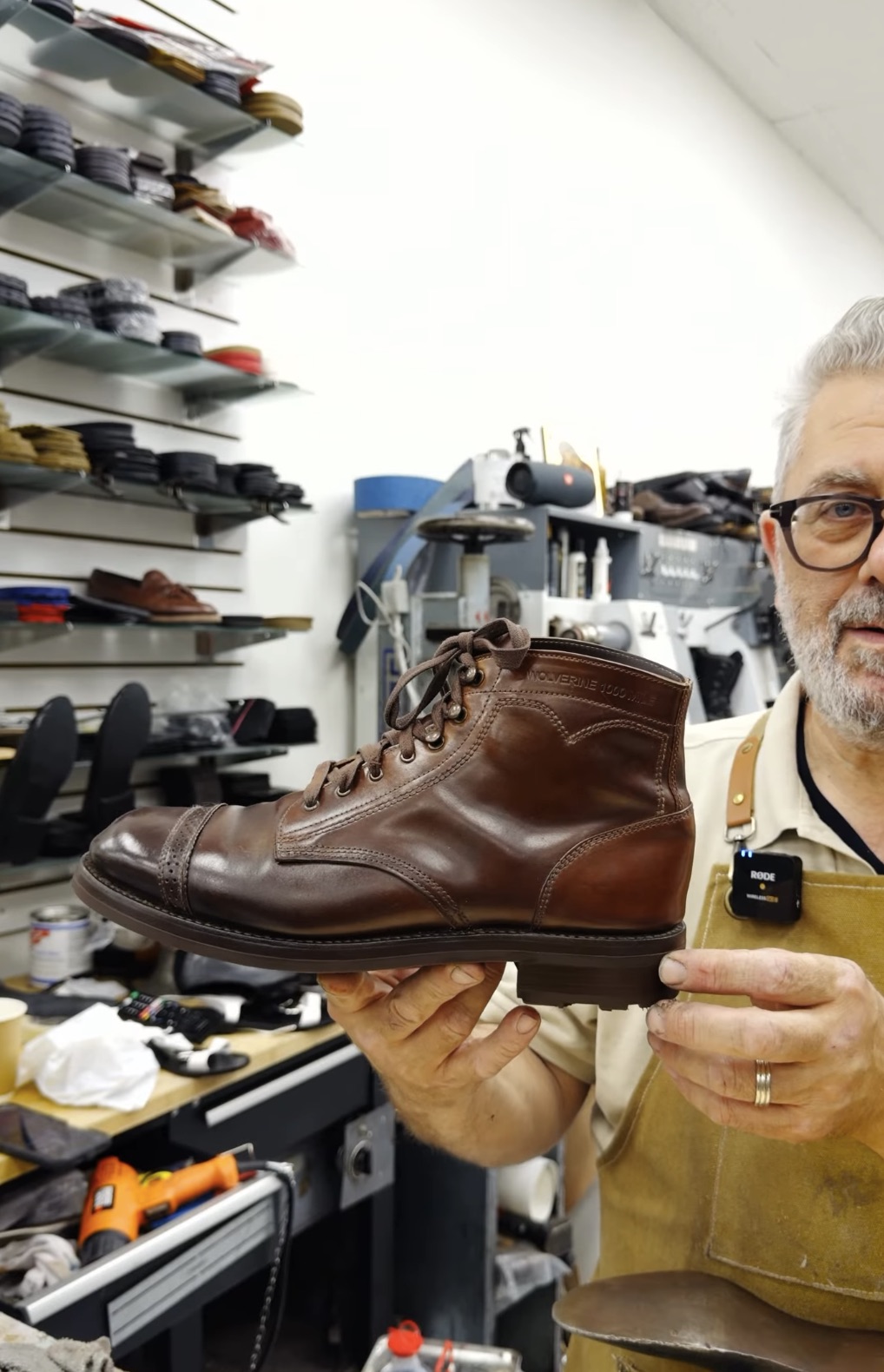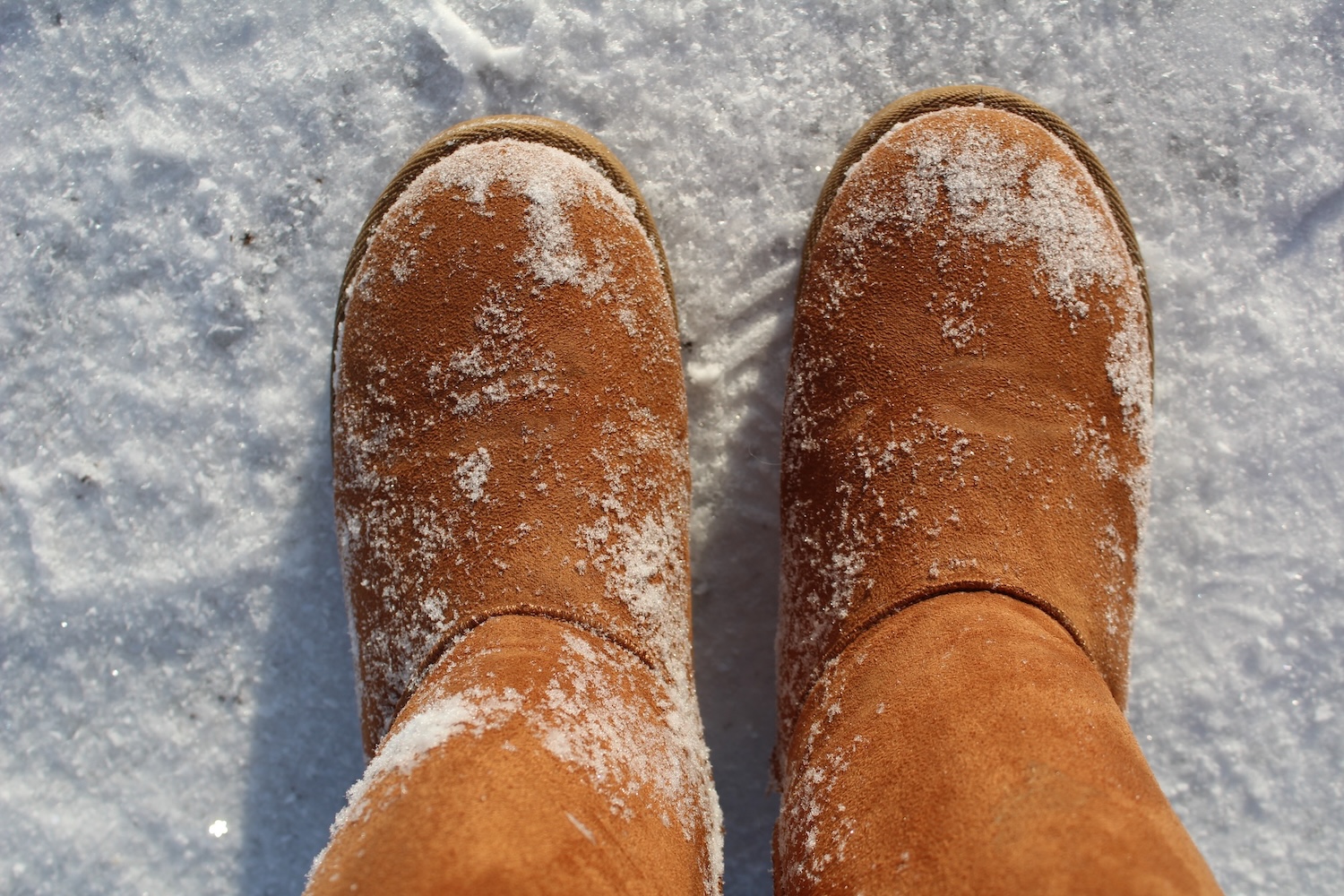

It is January 15 in Montreal. As the sun sets over the city and the temperature drops, a familiar white crust begins to form on thousands of pairs of boots across the island. To the casual observer, these white lines are merely an aesthetic nuisance. To a master cobbler, they represent a chemical emergency.
Road salt (sodium chloride and calcium chloride) is the single greatest threat to high-quality leather and suede. In Montreal, we use hundreds of thousands of tonnes of it every season to keep our streets safe. However, what keeps you from slipping on the sidewalk is simultaneously destroying the cellular structure of your favorite Blundstones, Uggs, and designer leather boots.
At Cordonnerie Rockland, we don’t just “wipe off” salt; we neutralize it. Here is a look at the science of salt damage and why professional intervention is required to save your footwear this winter.
View this post on Instagram
”Always very friendly, fast and above all, high-end service.
Nadine PaquinCustomer
Our mission: offer quality and durable repairs
Whatever the repair is needed, our team will always make sure to make the best recommendation. We will take the time to inform and help you make a decision. Our goal? To offer a well-made result that will stand the test of time, because we know how precious your favourite shoes or boots are on a daily basis. Our services will extend the life of your favourite accessories!
The Chemistry of Destruction: What Salt Actually Does to Leather
Leather is a natural, porous material. During the tanning process, the hide is infused with essential oils and waxes that keep it supple, breathable, and strong. Salt is a desiccant—it is designed to pull moisture out of its environment.
When you walk through Montreal’s winter slush, the salt dissolves into the water and hitches a ride deep into the pores of your leather boots. As you step inside and your boots begin to dry, the water evaporates, but the salt stays behind. As it re-crystallizes inside the leather, it does three things:
- Osmotic Dehydration: It sucks the natural tanning oils out of the leather, leaving the fibers brittle. This is why “salty” boots feel stiff and “crunchy” when they dry.
- Fiber Distortion: The salt crystals expand inside the pores, physically pushing the leather fibers apart. This results in the “bubbling” or “puckering” effect often seen near the sole line.
- Chemical Burning: If left untreated, the high pH of road salt can actually “burn” the leather, leading to permanent discolouration and cracks that cannot be repaired.
Why Home Remedies Often Fail (and Sometimes Hurt)
The internet is full of “life hacks” for salt stains, the most common being the Vinegar and Water solution. While a very weak acid can help neutralize the alkaline salt, DIY methods carry significant risks:
- The Wrong Ratio: Too much vinegar can dry out the leather even further, causing the dye to bleed or the leather to become acidic and “rot.”
- Deep Seeding: Wiping the surface of a boot often just pushes the salt deeper into the leather. You might remove the white line, but the “heart” of the leather remains saturated with salt.
- The Suede Nightmare: On suede or nubuck, home remedies often result in permanent “water spotting” or a ruined nap, turning a soft boot into a matted, rough mess.
The Cordonnerie Rockland Professional Neutralization Process
At our Montreal workshop, we treat salt damage as a multi-stage restoration. We don’t just clean the surface; we reset the chemistry of the boot.
1. The Immersion Flush
For boots heavily saturated with salt, surface cleaning is insufficient. We use specialized, pH-balanced neutralizing agents that penetrate deep into the leather to dissolve the salt crystals hidden in the fibers. This “flushes” the salt out of the leather entirely.
2. Deep-Tissue Conditioning
Once the salt is removed, the leather is in a vulnerable, “starved” state. We immediately follow the cleaning with a deep-conditioning treatment. We use premium bisson oils and mink-oil-based crèmes (depending on the leather type) to replace the natural fats that the salt leached away. This restores the “bounce” and flexibility to the boot.
3. Suede Nap Restoration
If we are working with suede (like Uggs or heritage rough-out leather), we use specialized brass and crepe brushes along with steam to “open up” the nap. This prevents the suede from becoming flat and shiny, restoring that signature velvet feel.
4. Professional Grade Sealing
The best way to handle salt is to never let it enter the leather in the first place. Once the boot is clean and conditioned, we apply an industrial-grade, fluorocarbon-free polymer protector. Unlike grocery store sprays, our professional treatment creates a microscopic “mesh” over the leather that allows air to escape but prevents salt-water molecules from entering.
View this post on Instagram
Specific Advice for Montreal’s Most Popular Boots
For the Blundstone Wearer
Blundstones are the unofficial uniform of Montreal, but their “pull-up” leather is highly absorbent. If you see white lines on your Blundstones, do not wait. The salt will eventually cause the leather to crack at the “flex point” (where your foot bends), which is an unfixable area.
For the Ugg & Suede Enthusiast
Suede is like a sponge. If you wore your Uggs to Igloofest or through a slushy downtown commute, the salt is likely sitting in the “understory” of the sheepskin. Professional cleaning is the only way to remove the salt without ruining the delicate color and texture of the suede.
For the Luxury Leather Boot
Designer boots from brands like Saint Laurent or Prada often use very fine, thin-grain leathers. These are the most susceptible to “salt burning.” We recommend a professional waterproofing treatment every 4–6 weeks during a Montreal winter to keep these high-value items protected.
Frequently Asked Questions (FAQ) About Winter Maintenance
Your boots are an investment in your comfort and style. Don’t let the Montreal winter win. If you see the white “ring of death” forming on your footwear, bring them to Cordonnerie Rockland in the Rockland Centre. We will neutralize the salt, nourish the leather, and ensure your boots are ready to handle the rest of the 2026 winter season.
How often should I have my boots professionally cleaned during the winter?
In a heavy salt environment like Montreal, we recommend a professional deep clean and “reset” at least twice a season—once in mid-January (now) and once at the end of the season in March before they go into storage.
I wiped my boots with water, but the white lines keep coming back. Why?
This is known as “wicking.” The salt is trapped deep inside the leather. When you dampen the surface, the salt dissolves and migrates back to the surface as the boot dries. This is a sign that the boots need a professional deep-tissue neutralization.
Can salt stains be removed from suede?
Yes, but it is a delicate process. Suede cannot be “scrubbed.” We use specialized steam and chemical neutralizers to lift the salt out without crushing the fibers. The sooner you bring them in, the better the result.
Will waterproofing my boots make them "plastic" or non-breathable?
Not with professional products. We use breathable protectors that allow moisture from your feet to escape (preventing sweat) while blocking the much larger salt-water molecules from entering.
What is the "bubbling" on the side of my leather boots?
That is often the result of salt crystals expanding under the top grain of the leather. If caught early, we can often flatten and neutralize this. If left too long, the leather “stretches” permanently, and the bubbles may remain.